
















The 20 Most Pre-Ordered Games of the Past Decade
Over the past decade, the biggest preorder waves have tended to form around a few familiar video games, including beloved franchises returning after long gaps and sequels that expand upon a canon already begun. What are some of these preorders, and did you preorder any of these hits yourself?
In these slides, we list some of the most preordered games of the entire decade, using publicly reported preorder milestones and clear chart dominance. You’ll also learn what drove players to commit early, and how perception potentially changed once patches, updates, expansions, and community verdicts started stacking up. Let's check out these preorder hits (and potential flops) now.
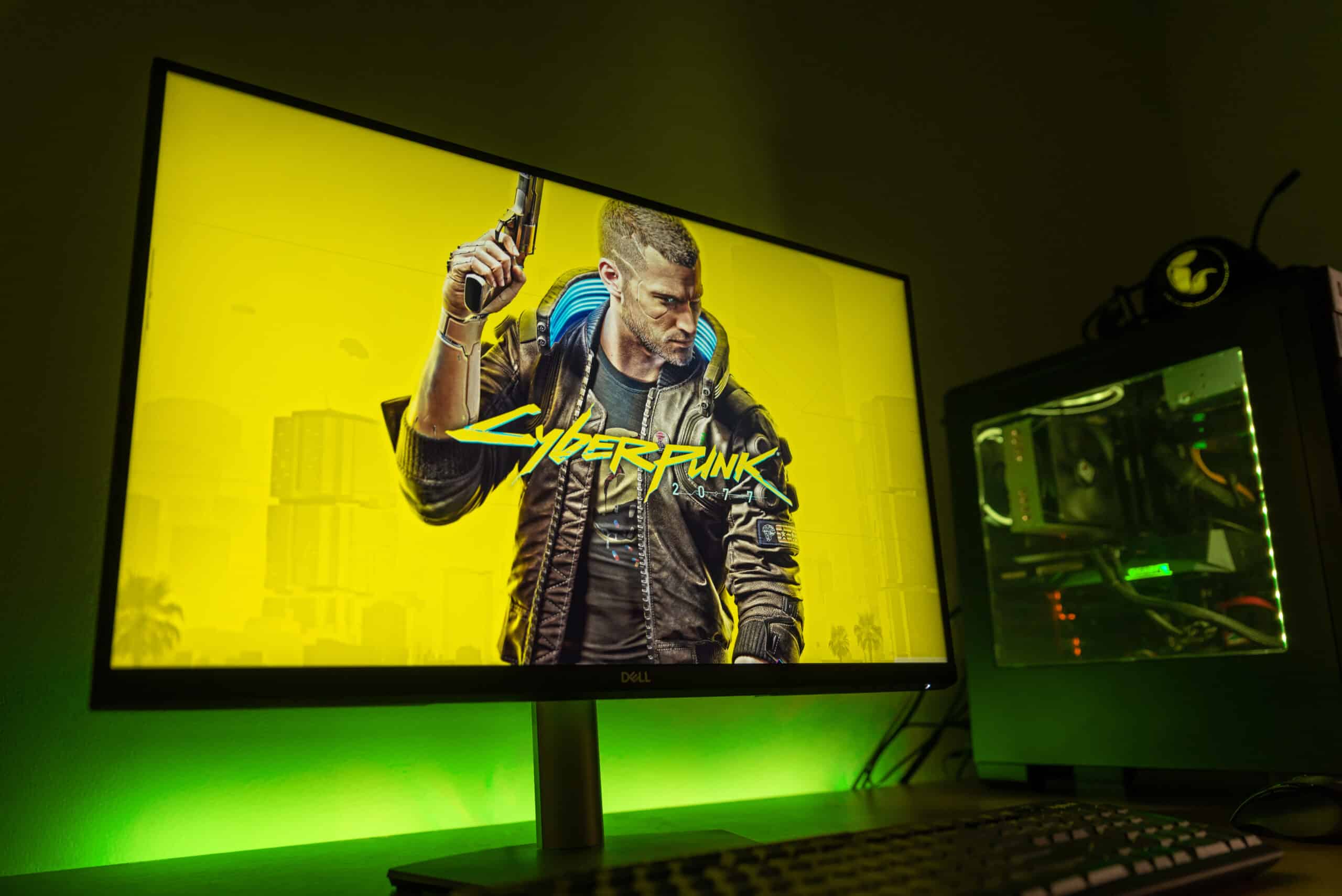
Cyberpunk 2077
CD Projekt's Cyberpunk 2077 reached about 8 million preorders before its launch, an unusually public number for a blockbuster RPG. The fanaticism came from years of trailers, ones advertising the promise of an open-world sci‑fi city that would play differently depending on your build and choices. When the game finally shipped in 2020, performance problems on last‑gen consoles resulted in ample refunds and a long reputational hit. After major patches and the Phantom Liberty expansion, the game recovered a bit, but players couldn't help but feel as if the studio wasn't ready for this game's release.
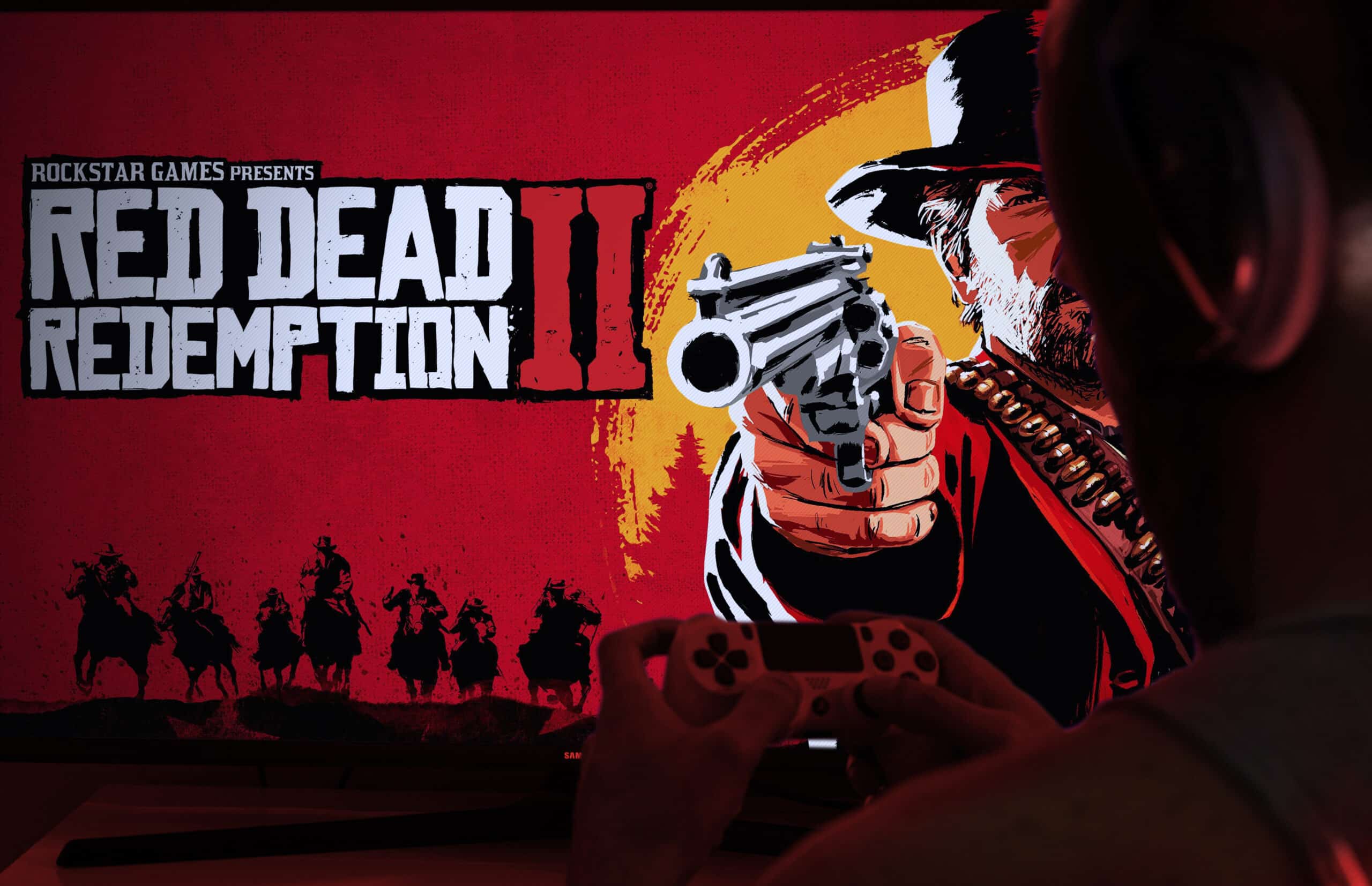
Red Dead Redemption 2
Reportedly the most pre‑ordered full game ever on PlayStation Network ahead of its 2018 release, Red Dead Redemption 2 already had a huge fanbase. Players couldn't wait to get into the game's sprawling Western world, one where missions and travel all felt aligned and cohesive. The launch delivered huge revenue immediately and set multiple platform records in the same weekend. Years later, the base game remains a perennial bestseller, even as Rockstar shifted attention elsewhere.
Diablo IV
Blizzard reports that Diablo IV posted the company's highest pre‑launch unit sales ever on both console and PC before the game’s wide release in June 2023. It was highly anticipated as a return to a darker Diablo, alongside an online shared world, and paid early access brought even more buzz to this game. While the launch had queue issues, the player base was massive from the get-go. Since then, seasons and sweeping itemization changes have kept the game in constant revision, with players still engaged and wanting more.
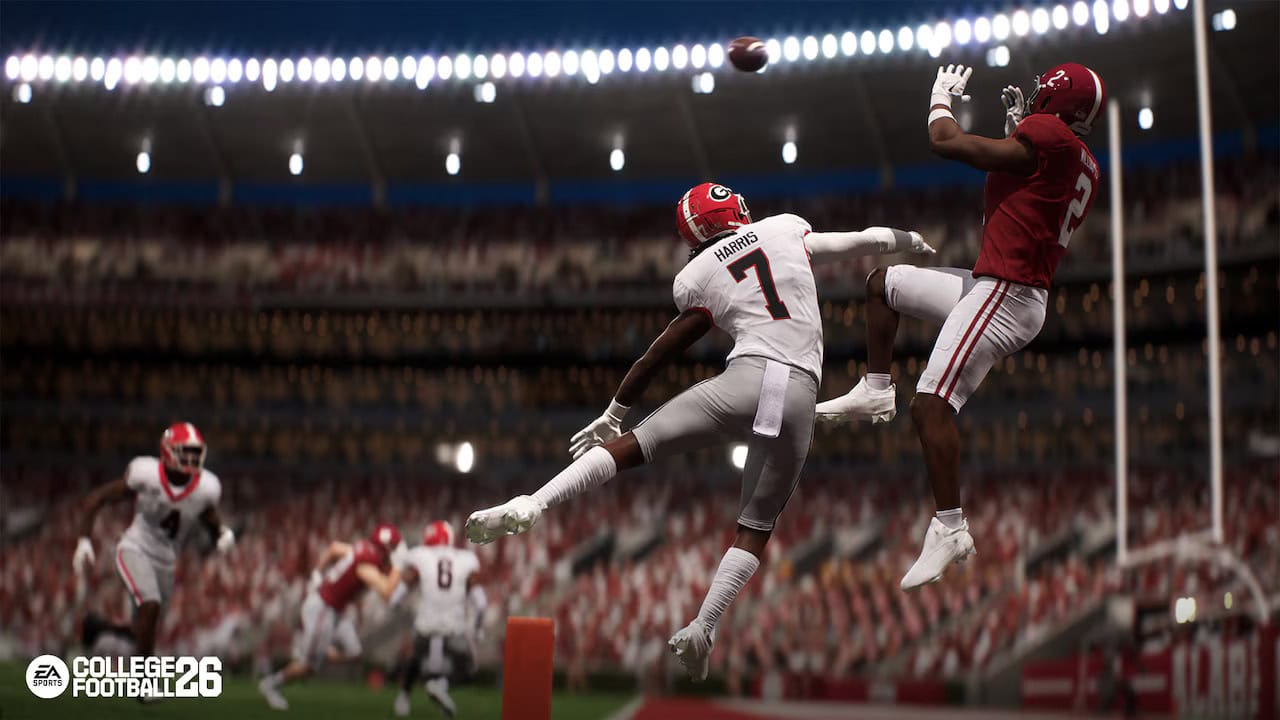
EA Sports College Football 25
Pulling in roughly $165–$220 million in preorders, EA Sports College Football 25 was powered by a premium edition that offered early access. Fans had been waiting a decade for the series to return, which is just one reason why it earned so much so quickly. The game also involved multiple name‑image‑likeness payouts, since thousands of real athletes opted in for a set fee and a copy of the game. After launch, the size of its audience made it clear the franchise was here to stay, with College Football 26 already planned.
Dying Light: The Beast
Techland celebrated Dying Light: The Beast hitting one million preorders and moved their release up by a day to reward its fans. The appeal of this game involved the franchise’s mix of parkour movement and survival horror tension, plus the promise of a standalone story with an involved plot. Because of so many preorders, it was clear the franchise could move away from DLC to a full game, as the studio needed proof that players were willing to pay a premium and stick around for more.
Elden Ring
Right as Elden Ring approached its launch in February 2022, Steam’s global top‑seller lists showed it dominating multiple slots at once, indicating heavy preorders across editions. Players were already familiar with FromSoftware’s reputation for tough combat and world design, and George R. R. Martin’s lore involvement only increased interest. The launch ensured the game turned into a mainstream hit, with big expansions and continued community theories keeping it in the spotlight.
Hogwarts Legacy
In February 2023, SteamDB’s top‑seller tracking showed Hogwarts Legacy sitting at the top of the charts only days before its release, clearly showing how strong the Harry Potter franchise is to this day. The fantasy of finally roaming Hogwarts as your own student, learning spells, exploring secret rooms, and picking fights you probably shouldn’t made it a winner. After launch, the game sold extremely well, but it also carried constant conversation about the broader Harry Potter brand and what it means to buy into it, given the franchise's divisive reputation.
Starfield
Before Starfield even launched in September 2023, reports repeatedly placed it high on preorder charts, including premium‑edition early access buying. Fans wanted Bethesda’s next giant RPG universe desperately, and the marketing pitch leaned into features not yet seen in games, including ship building and faction roleplay across planets. At release, the game landed with a decent amount of criticism about exploration friction and repetitive content. Over time, mods and expansions helped with that feeling of boredom, but it wasn't as smashing a sucess as Bethesda hoped.
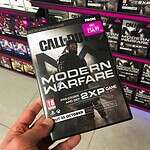
Call of Duty: Modern Warfare II
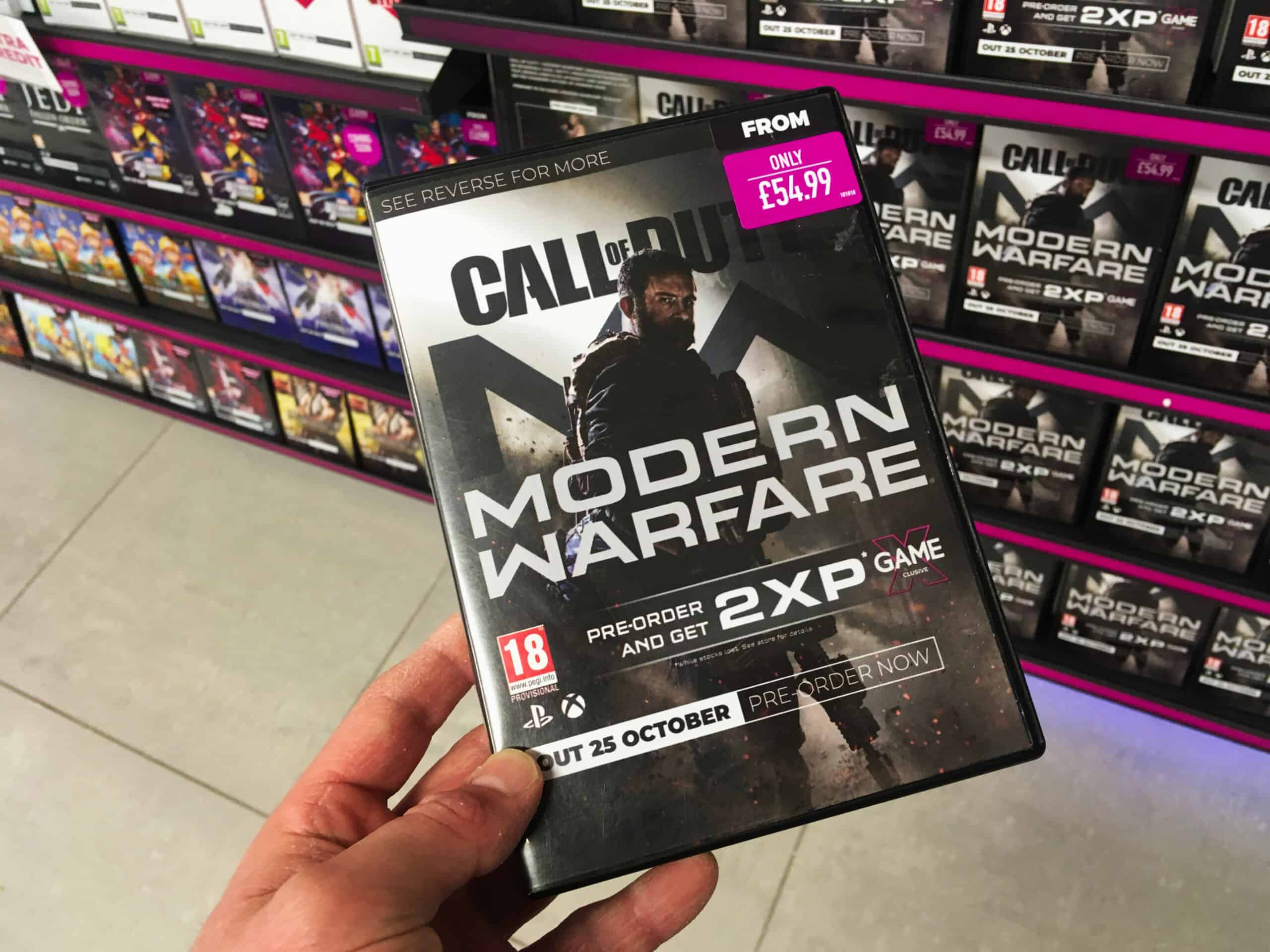
Sony and Activision said Modern Warfare II delivered the biggest PlayStation Store launch ever for any Call of Duty game, a result that had to do with both preorders and day‑one sales. The familiar promise of a new grind kept fans coming back for more weapons and ranks, but the game’s success didn’t stop the arguments about file size and constant monetization. Ultimately, the massive amounts of preorders on this game affected initial logistics, leading to a few too many hiccups for players to tolerate.
The Legend of Zelda: Tears of the Kingdom
Instead of an online, downloadable preorder rush, major retailers saw Tears of the Kingdom preorders sell out quickly, only to reappear in short bursts as inventory refreshed, which is a familiar pattern for Nintendo mainstays. The demand was fueled by the sequel premise, one that took Breath of the Wild’s sandbox and added both sky and underground worlds, as well as physics‑driven building. When the game released, the players' clips became their own marketing engine. Since launch, it has remained a flagship Switch title that just keeps selling.
Pokémon Scarlet and Violet
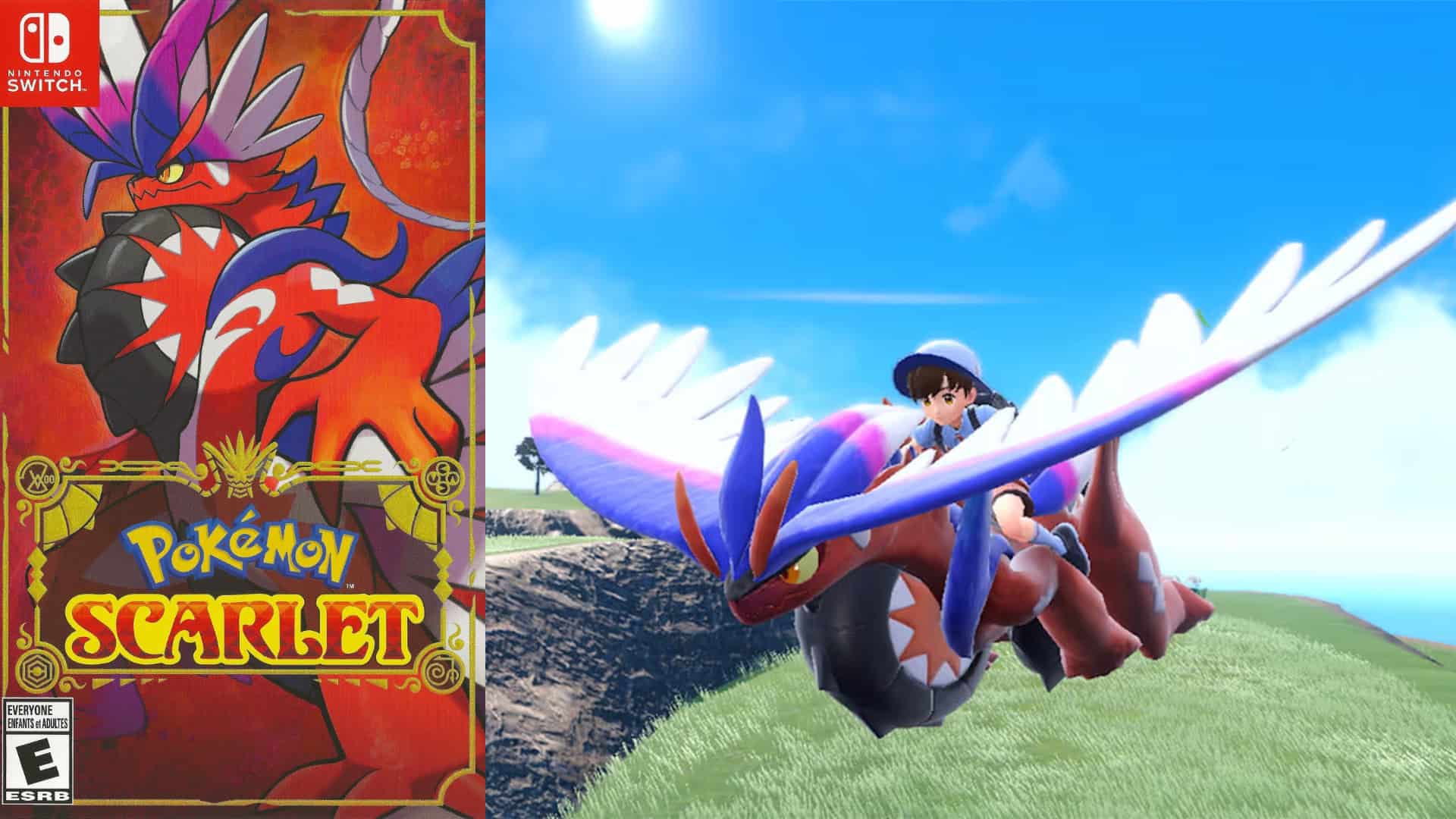
The Pokémon Company reported that Pokémon Scarlet and Violet posted the highest preorders in the mainline series’ history ahead of the game's 2022 release. Fans were excited to buy into an open‑world format rather than following a fixed route town by town, something that's been a staple of every game in this franchise since the beginning. However, the launch dealt with plenty of performance complaints, and the story left fans disappointed in the long run. Even with these issues, the games sold extraordinarily well, proving the fanbase of this franchise is still going strong.
Battlefield 6
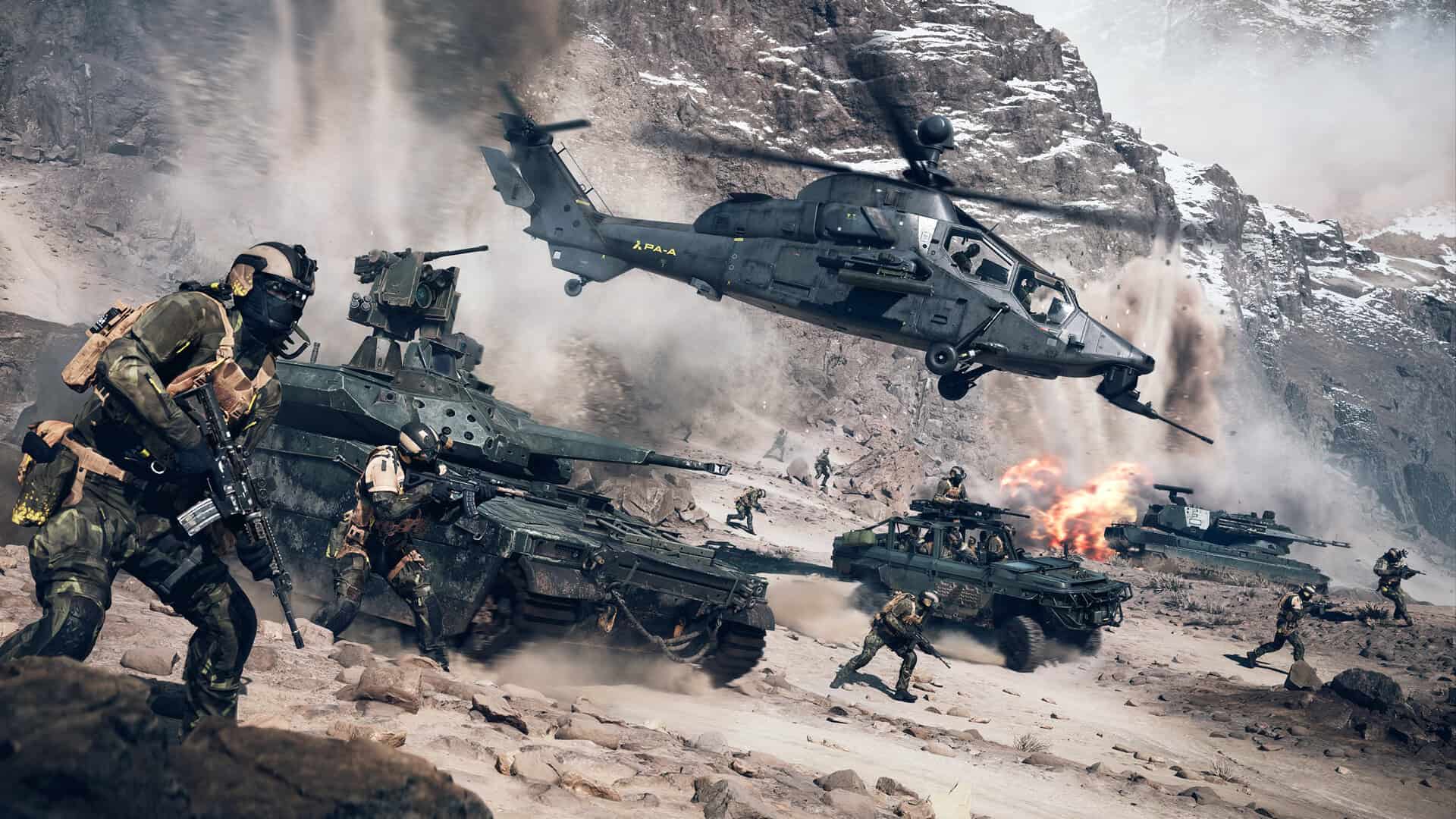
Analyst tracking of Steam activity suggested that Battlefield 6 built an unusually strong pre‑release crowd based on wishlists and preorder revenue on PC. Players were reacting to the idea of a return to form after prior entries divided the game's audience, with the preorder conversation centered on whether EA could stick the landing this time. The real value of these preorders became psychological as much as financial, as they signaled trust returning before reviews could validate it. So long as the game maintains its post‑release support, the preorders may justify the game's success.
Marvel’s Spider-Man 2
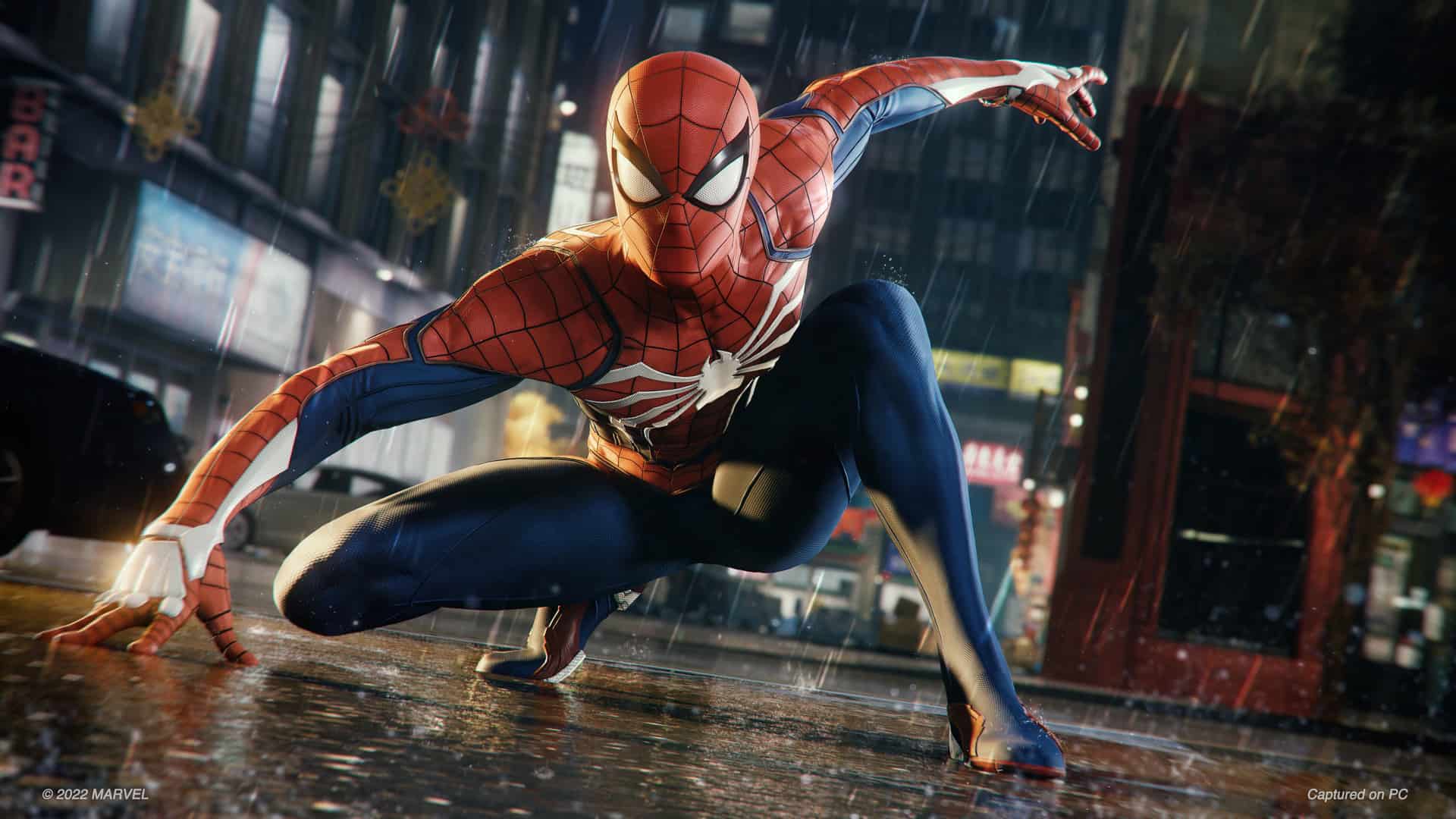
Spider‑Man 2 became a big preorder with multiple editions, including a collector’s bundle that sold out quickly. When it was released, Sony said it became the fastest‑selling PlayStation game yet, proving how preorder demand can accelerate when there's a movie franchise to back it up. Since launch, the conversation has focused on post‑game support and accessibility features, with potential sequels in discussion.
Final Fantasy VII Rebirth
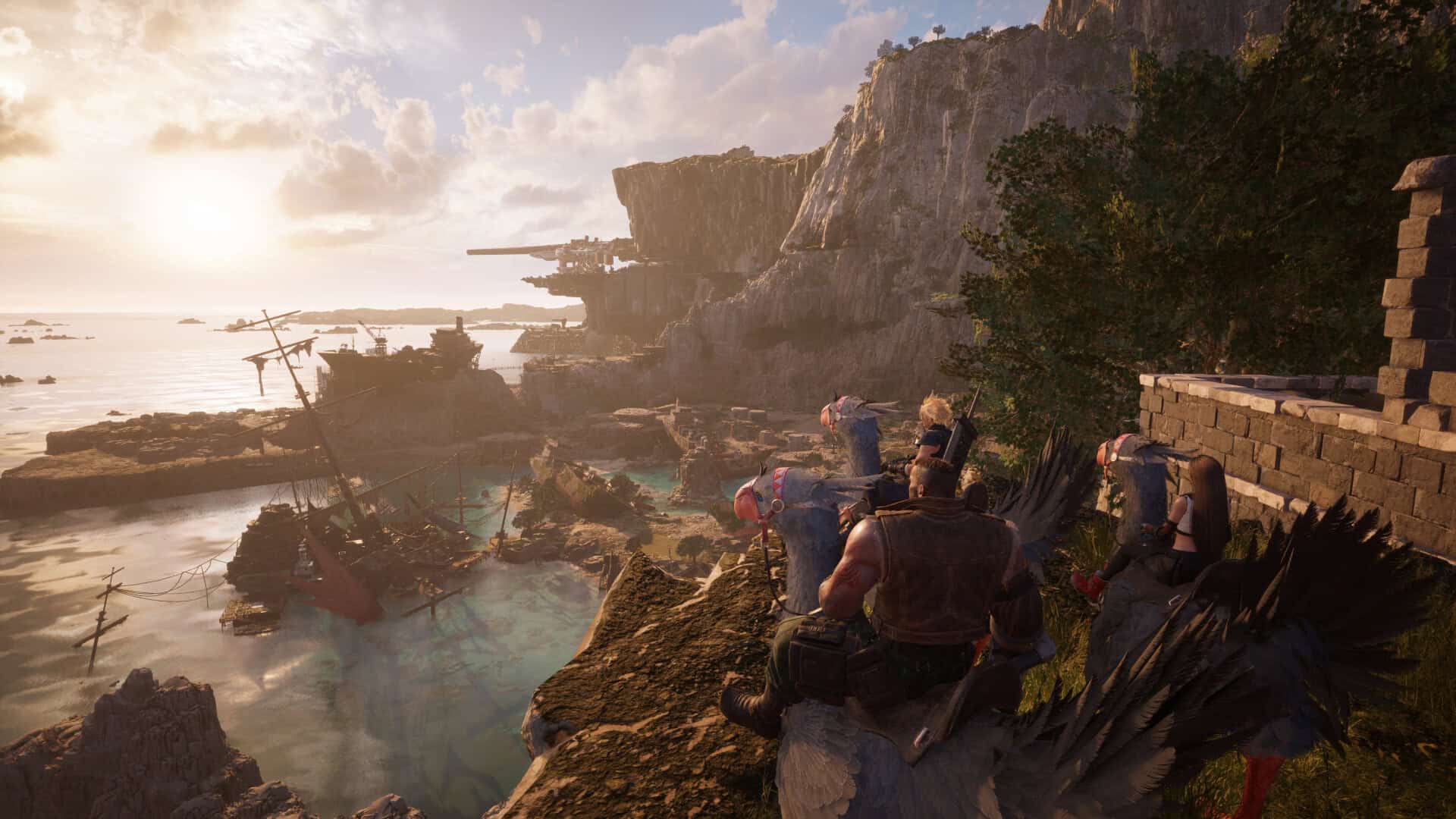
This classic video game franchise rolled out preorder incentives and deluxe editions designed to pull longtime fans into buying early rather than waiting, which was a smart move. VII Rebirth was built on the promise of seeing an iconic story arc reimagined with modern combat and additional character arcs that couldn’t fit into the original game. After launch, its scale and pacing were called into question, with the game's trilogy structure changing what completion feels like for fans who are used to a Final Fantasy game ending in one title.
Monster Hunter Wilds
A major preorder target, Monster Hunter Wilds asked players to treat a new mainline Monster Hunter as a multi‑year purchase. The promise was a bigger, more seamless world feel, alongside the familiar loop of learning a monster’s tells and building better gear step by step. Preorders mean a great deal in this franchise, because groups often coordinate early so their squads can start together on day one. Once the game is out, its real trajectory depends on post‑launch monsters and whether the endgame keeps the preorder crowd logging in months later.
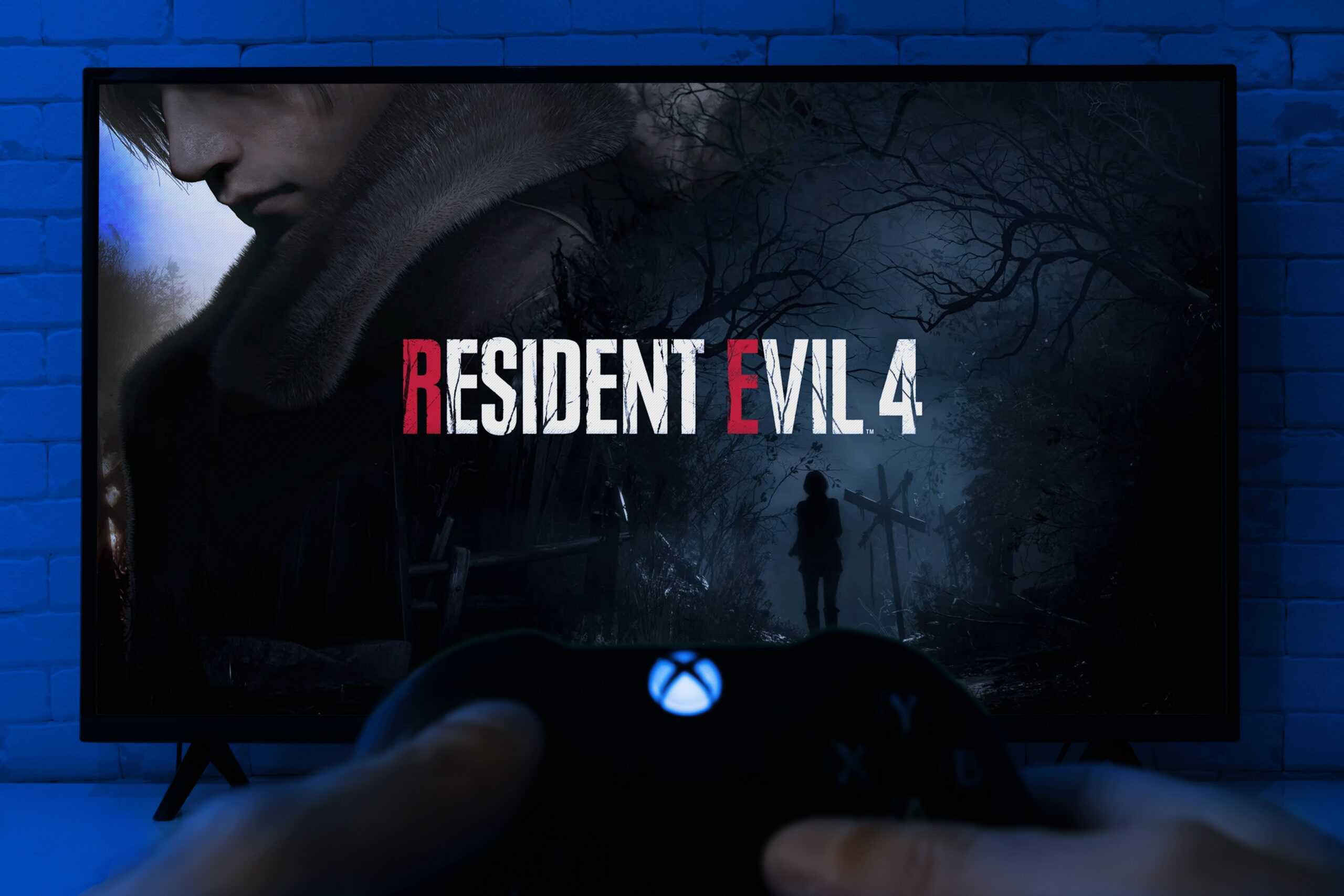
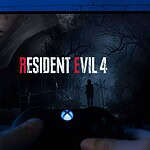
Resident Evil 4 Remake
The Resident Evil 4 Remake benefited from a rare situation where players felt like they already knew the core of the game was good, so preordering was a solid investment. Capcom’s pitch involved updating the game with modern controls and visuals while preserving the pacing that made the original so popular. The launch reception was strong, and the remake quickly became a game with broad staying power through replays, fitting into Capcom’s broader run of successful Resident Evil releases.
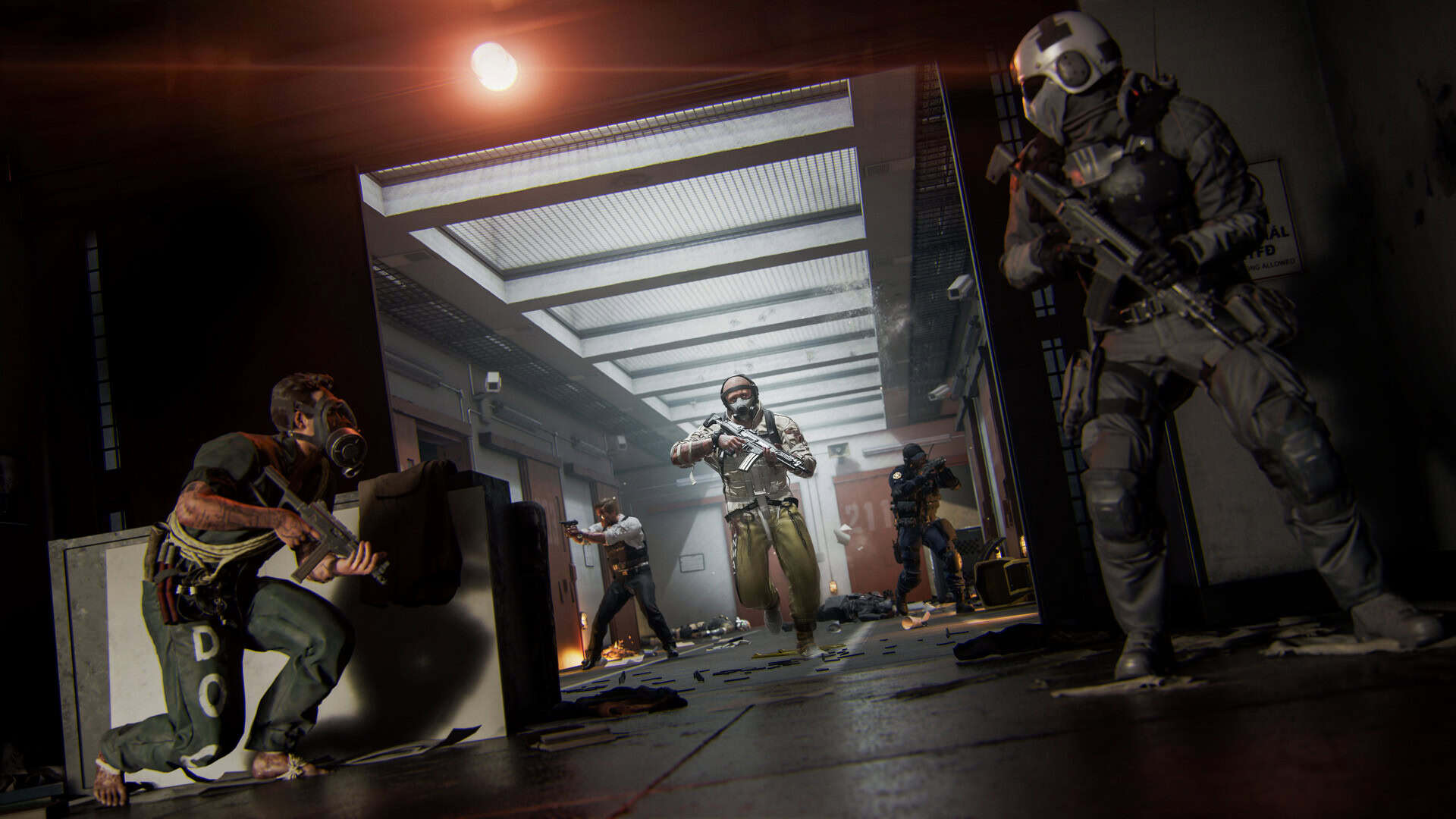
Call of Duty: Black Ops 6
Black Ops 6 arrived with the usual preorder incentives that push Call of Duty fans to commit early for beta access and bundles. Players often preorder in this franchise because they know their friend group will migrate in order to get in on the action they know and love. After release, player spending is layered on top of their initial purchase, with player retention being the company's main issue in the long run.
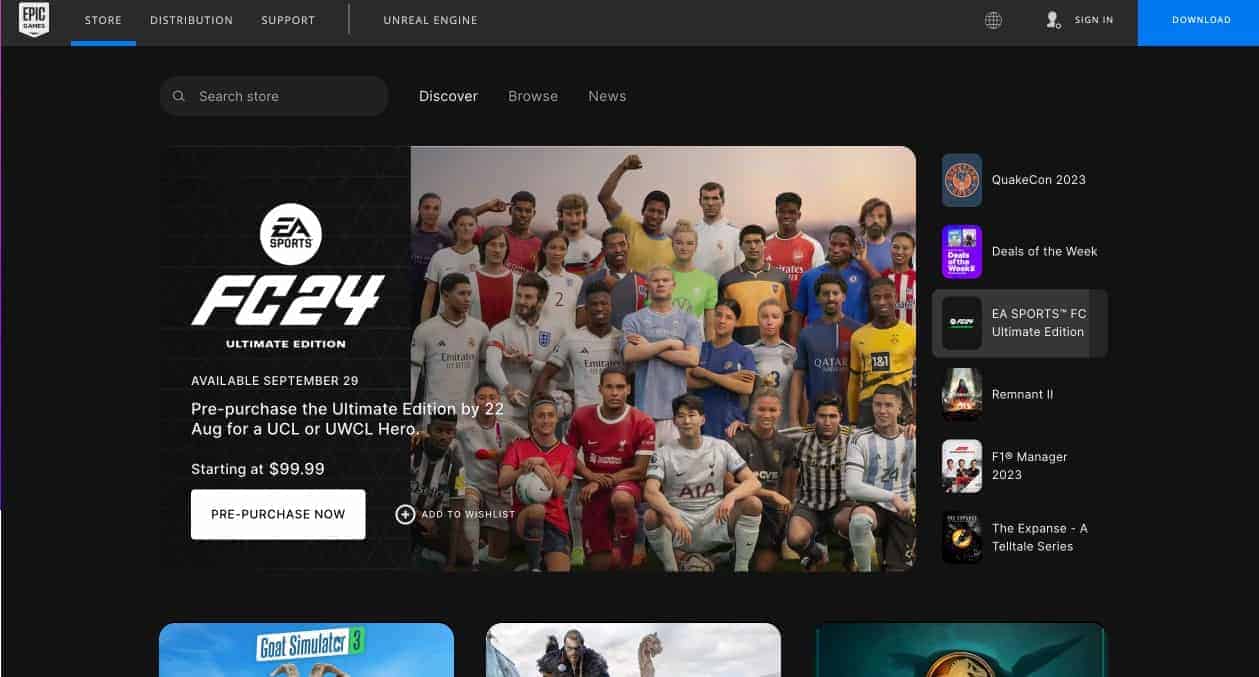
EA Sports FC 24
Inheriting a FIFA audience, EA Sports FC 24 preorders were heavily tied to Ultimate Team bonuses that reward players for starting early. The earlier you begin, the faster you can build a competitive squad before the market stabilizes, which becomes a major selling point for players. After launch, the game’s story was shaped by live updates, staying current in an ongoing season of sports fans.
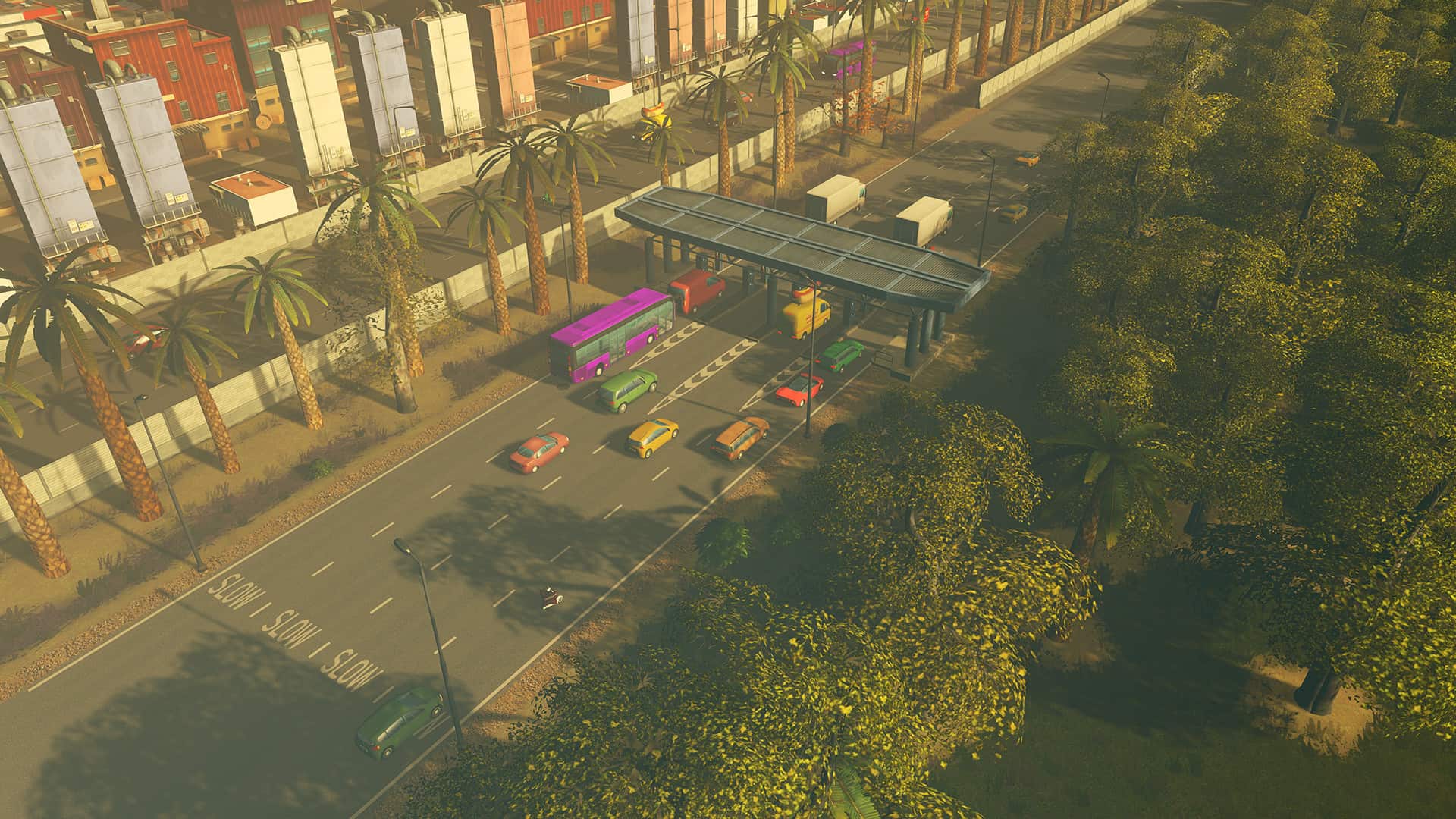
Cities: Skylines II
Cities: Skylines II sat high on SteamDB’s top‑seller charts before its release, and players were buying into promises of deeper simulation and the kind of mod‑friendly foundation that kept the first game in this series alive for years. At launch, performance issues and missing polish frustrated many early buyers, especially those on recommended specs. Over time, patches and feature updates became a driver in new players, and the sequel was met with moderate success.
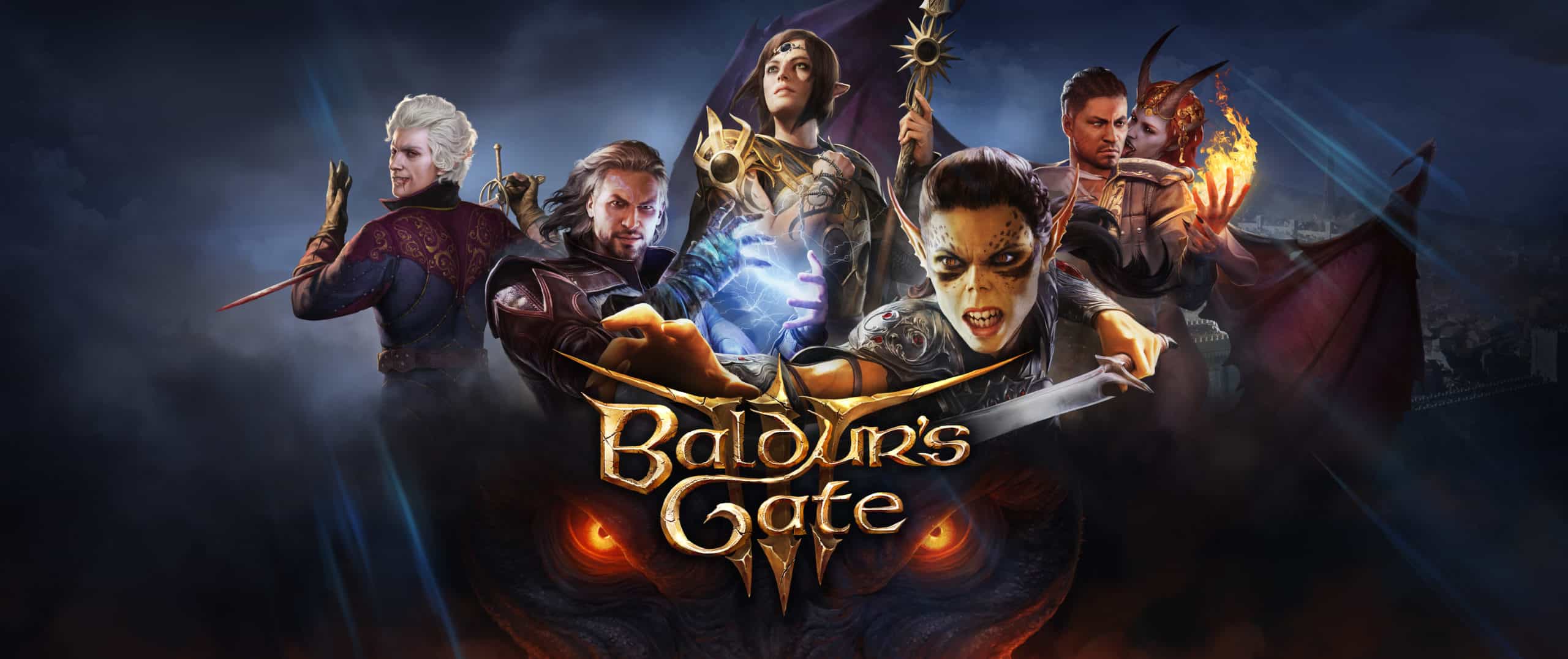
Baldur’s Gate 3
Spending years in early access, Baldur’s Gate 3 fully launched in 2023. The buying behavior for this game looked like a preorder wave, as so many players jumped in right before release, having waited so long for it. The launch became a major event that pushed the game to the top of sales charts and kept it there for weeks. Since its release, its reputation has grown through player‑shared outcomes and major patches, and its replayability remains palpable.
The image featured at the top of this post is ©REDPIXEL.PL/Shutterstock.com